Short answer: at a steady 225°F, plan on roughly 1 to 1.5 hours per pound of trimmed brisket — so a typical 12–14 lb packer runs about 12 to 18 hours, plus a rest of at least an hour. But weight is only a rough guide. Brisket is done by temperature and feel, not the clock: pull it when the thickest part of the flat reaches about 203°F and a probe slides in like it’s going into softened butter.
Here’s the honest version of what that timeline actually looks like — why your brisket will seem to “stall” for hours, how we handle the wrap, and why the rest matters as much as the cook.
How long to smoke a brisket, at a glance
These are planning estimates at a steady smoker temperature. Always cook to internal temperature, and build in a buffer — a stubborn stall can add hours you didn’t plan for.
| Smoker temperature | Approx. time per pound | Typical 12–14 lb packer |
|---|---|---|
| 225°F (low & slow) | ~1.25–1.5 hrs | ~15–18 hours |
| 250°F (our sweet spot) | ~1–1.25 hrs | ~12–15 hours |
| 275°F (hot & fast) | ~30–45 min | ~8–10 hours |
How to smoke a brisket, step by step
1. Trim the brisket
Trim the hard fat and even out the fat cap to about a quarter inch. A tidy brisket cooks more evenly and renders better. Do it cold, straight from the fridge, when the fat is firm and easier to cut.
2. Season simply
For Texas-style brisket, a coarse salt-and-pepper rub — the classic “dalmatian” rub — is all you need. Season generously on every side and let it sit while the smoker comes up to temperature.
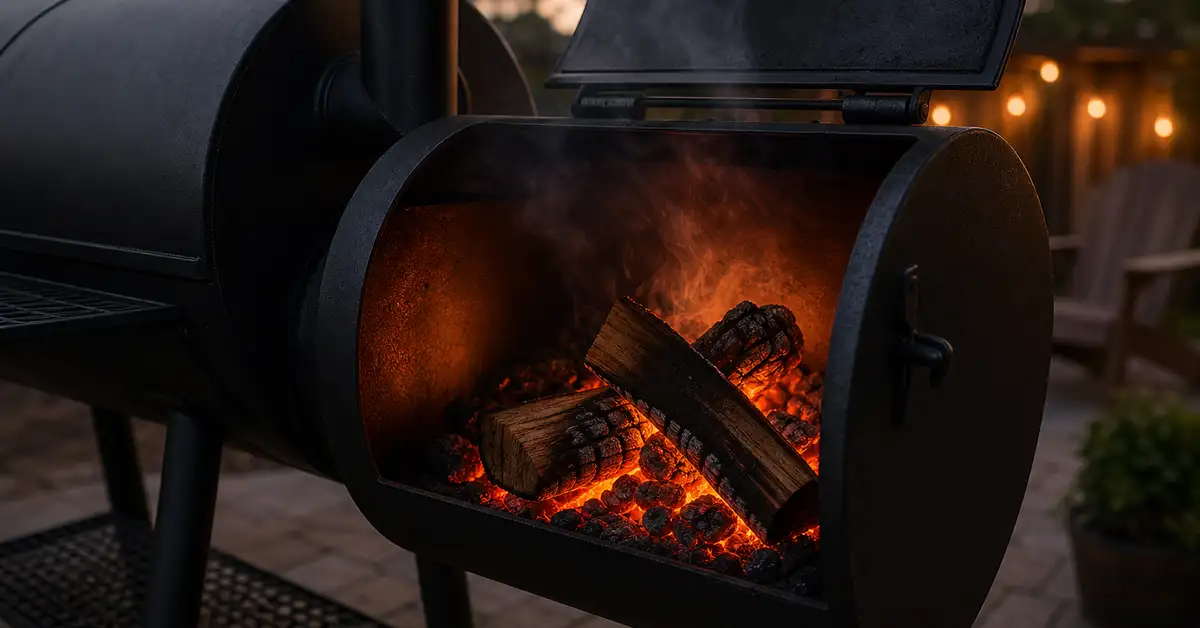
3. Preheat to 225–250°F
Get your smoker steady at 225°F for low-and-slow, or 250°F to shave a few hours off. A stable temperature matters far more than the exact number. Add your smoke wood once it’s holding steady.
4. Smoke until the stall (~150–165°F)
Set the brisket fat-side up and let it ride. Somewhere around 150–165°F the internal temperature will plateau for a few hours — that’s the stall. Resist the urge to crank the heat.
5. Wrap in butcher paper (the “Texas crutch”)
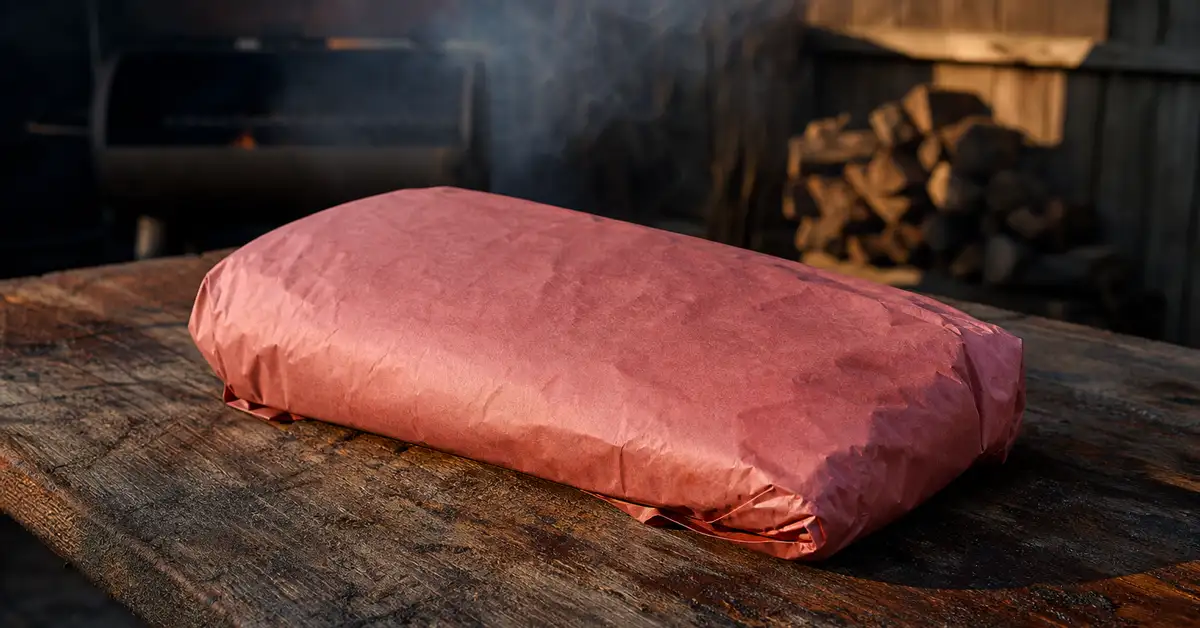
Once the bark is set and dark — usually around 165–170°F — wrap the brisket tightly in pink butcher paper. This pushes you through the stall while keeping the bark intact. Foil works too, but softens the bark.
6. Cook to ~203°F and probe for tenderness
Return it to the smoker until the thickest part of the flat reads about 200–205°F. Temperature is your guide; the real test is feel — a probe should slide in with almost no resistance.
7. Rest for at least an hour
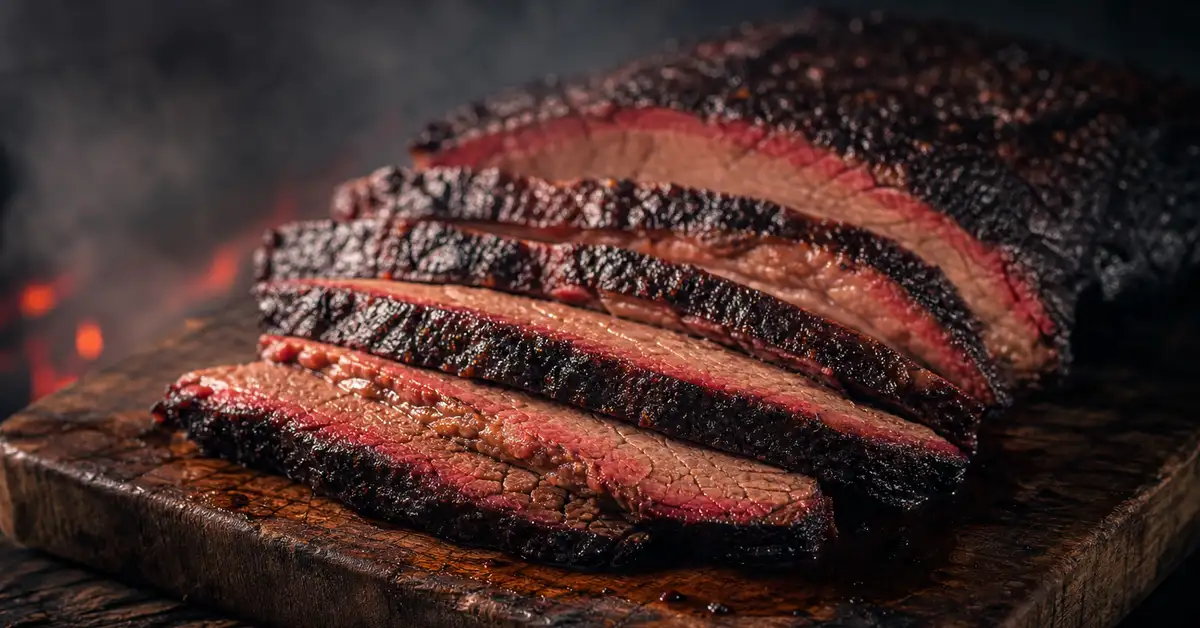
Rest the wrapped brisket a minimum of one hour — two or more is better — in a dry cooler lined with towels. Resting lets the juices redistribute so slices stay moist. Slice against the grain to serve.
Why brisket “stalls” — and why that’s normal
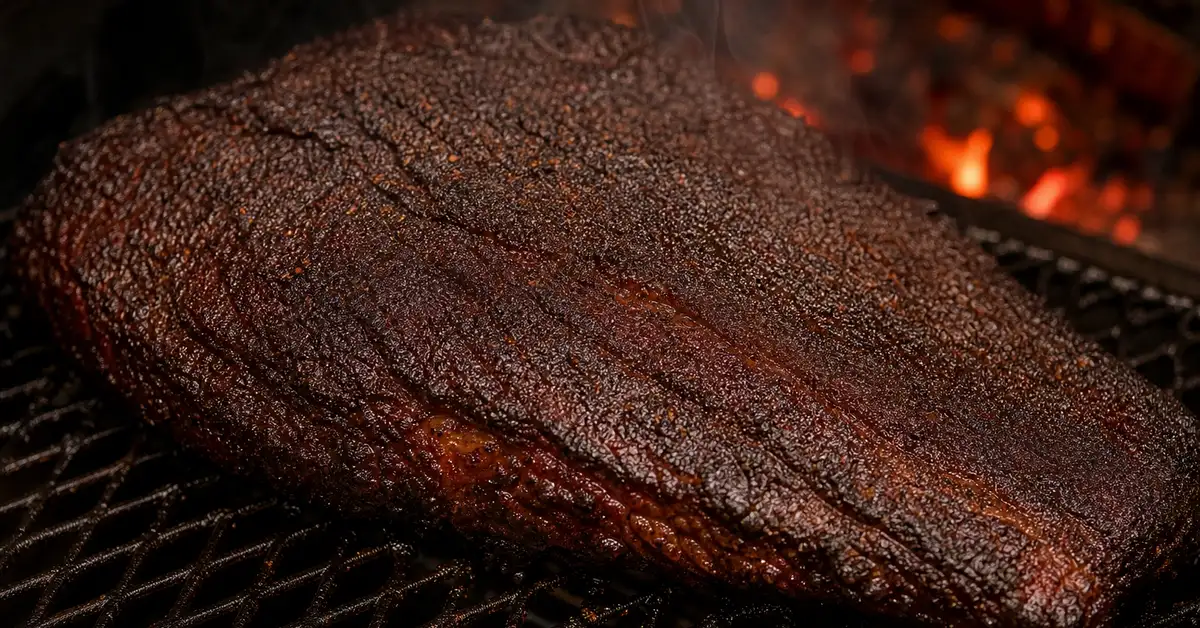
The stall is evaporative cooling. As surface moisture evaporates, it cools the meat almost as fast as the smoker heats it, so the internal temperature can sit at 150–165°F for hours. It’s maddening the first time, but it’s completely normal. Wrapping is the most reliable way through it; the alternative is simply patience.
Is it safe? The brisket temperatures that matter
Two temperatures are doing different jobs. The USDA’s safe minimum internal temperature for beef is 145°F with a three-minute rest — that’s the food-safety line. But brisket is packed with connective tissue, and it doesn’t turn tender until it’s cooked well past that, to around 203°F, where the collagen breaks down into gelatin. So we cook far beyond the safety minimum for texture, not just safety — which is exactly why a reliable thermometer is the one tool you can’t skip here.
The gear that actually changes your result
You don’t need a competition rig to cook a great brisket, but two things matter more than anything else: a steady temperature and an accurate thermometer.
Transparency first: This guide contains affiliate links. If we’re enrolled in an affiliate program, we may earn a commission at no extra cost to you — it never affects how we research or rank. Read our full affiliate disclosure policy.
Check leave-in meat thermometers on Amazon →
For our research-led picks, see our guide to the best wireless meat thermometers. If you’re still choosing a cooker, a set-and-forget electric smoker makes holding 225°F painless, and the right wood pellets shape the flavor — and if your temps won’t hold steady, see how to control temperature on a smoker. Want to go beyond salt and pepper? See our best BBQ rubs and seasonings guide. New to smoking altogether? Start with our best smokers for beginners. Cooking a pork shoulder next? See how to smoke a pork butt. Smoking ribs next? See how long to smoke ribs.
Frequently asked questions
How long does it take to smoke a brisket per pound?
At 225°F, plan on roughly 1 to 1.5 hours per pound of trimmed brisket. A 12–14 lb packer typically takes 12–18 hours, plus at least an hour of rest. Always cook to internal temperature (~203°F) rather than the clock.
What temperature is brisket done?
Brisket is tender at about 203°F in the thickest part of the flat, though anywhere from 200–205°F is common. That’s well above the USDA’s 145°F safety minimum — the extra cooking is what breaks down the connective tissue.
Should I wrap my brisket?
Wrapping around 165–170°F, once the bark is set, speeds you through the stall and keeps the meat moist. Butcher paper preserves the bark better than foil. You can cook unwrapped for maximum bark, but expect a longer cook.
Why did my brisket stop rising in temperature?
That’s the stall — evaporative cooling holds the internal temperature around 150–165°F for a few hours. It’s normal. Wrap the brisket to push through it, or simply wait it out.
How long should brisket rest?
Rest for at least one hour, and up to three or more in a towel-lined cooler. Resting lets the juices redistribute so the slices stay moist instead of running out onto the board.
Sources
Cooking temperatures and technique verified against AmazingRibs — The Texas Crutch, Hey Grill Hey — Texas Style Smoked Beef Brisket, and Smoked BBQ Source — Guide to Wrapping Brisket, with food-safety guidance from FoodSafety.gov — Safe Minimum Internal Temperatures.