A good BBQ rub does more work than almost anything else in your cook — it builds the bark, carries the flavor, and turns a plain piece of meat into something that tastes like it came off a competition trailer. But “rub” and “seasoning” get used interchangeably, sugar content changes how a blend behaves on a hot grill versus a low smoker, and a lot of bags don’t tell you much beyond “spices.”
We’re a research-led site, not a testing lab, so this guide combines manufacturer and specialty-retailer ingredient data with reputable BBQ editorial to rank 13 BBQ rubs and seasonings for 2026 across beef, pork, poultry and all-purpose use, explain the real difference between a rub and a seasoning, and settle the sugar-and-burning question. Here’s how we choose.
Our top picks at a glance
- Best overall: Bad Byron’s Butt Rub Barbeque Seasoning
- Best for brisket: Meat Church Holy Cow BBQ Rub
- Best for steak & burgers: Kosmos Q Cow Cover Seasoning Rub
- Best competition-style beef rub: Slap Yo Daddy Moola Beef v2.0 Rub
- Best for ribs: Killer Hogs The BBQ Rub
- Best for pork & chicken: Plowboys BBQ Yardbird Rub
- Best with a kick: Heath Riles Hot BBQ Rub
- Best for pulled pork: Lillie’s Q Carolina Dirt BBQ Rub
- Best sweet rub: Hey Grill Hey Sweet Rub
- Best for chicken: Kosmos Q Dirty Bird Rub
- Best flavor twist: Dan-O’s Outlaw Sweet Caribbean
- Best grocery-aisle all-purpose: Head Country Championship Seasoning Original
- Best budget: Weber Steak ‘n Chop Seasoning
Rubs vs. seasonings — what’s the difference
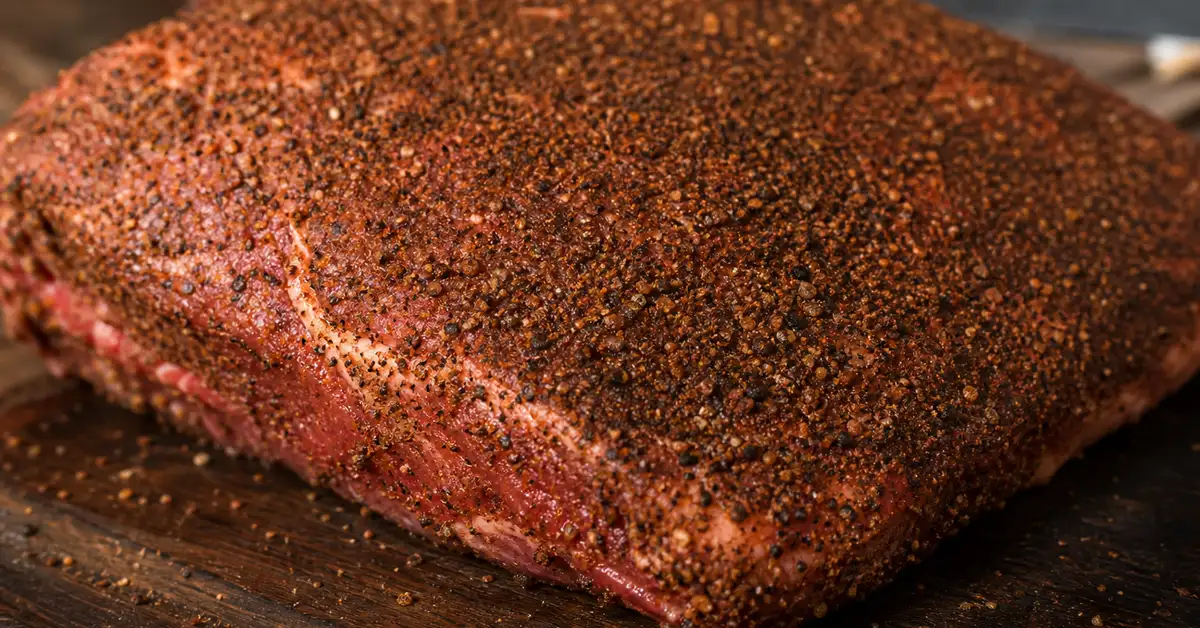
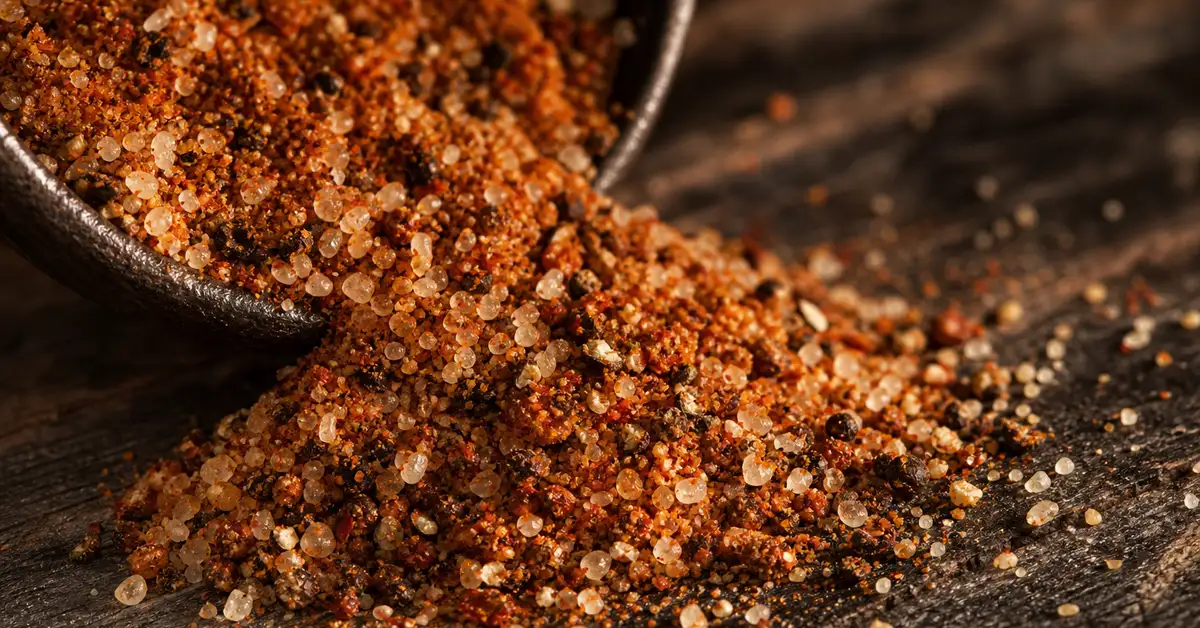
A rub is a dry blend meant to be applied in a fairly heavy, even layer on raw meat, where it forms a flavorful crust — the “bark” — as the meat cooks low and slow. Rubs lean on coarse salt, sugar, paprika, chili and aromatics like garlic and onion, balancing flavor with the texture needed to build that crust. A seasoning is often marketed as a lighter, more all-purpose blend for grilling, pan-searing or oven roasting — it may be coarse or fine, but it’s usually applied more sparingly and across a wider range of cooking methods. A meat injector works differently again — instead of seasoning the surface, it puts flavor and moisture into the interior of a thick cut; see our best meat injectors guide if you want to combine the two.
The line blurs in practice. Bad Byron’s is sold as a “barbeque seasoning” but functions as a classic all-purpose rub; Head Country’s Championship Seasoning is marketed as a seasoning but works fine as a primary rub layer on meat. What matters more than the label is sugar content and how you plan to cook: a heavy, sugar-forward blend suits a low-and-slow smoker; a lighter, salt-forward blend suits a hot direct grill.
What matters when you’re choosing
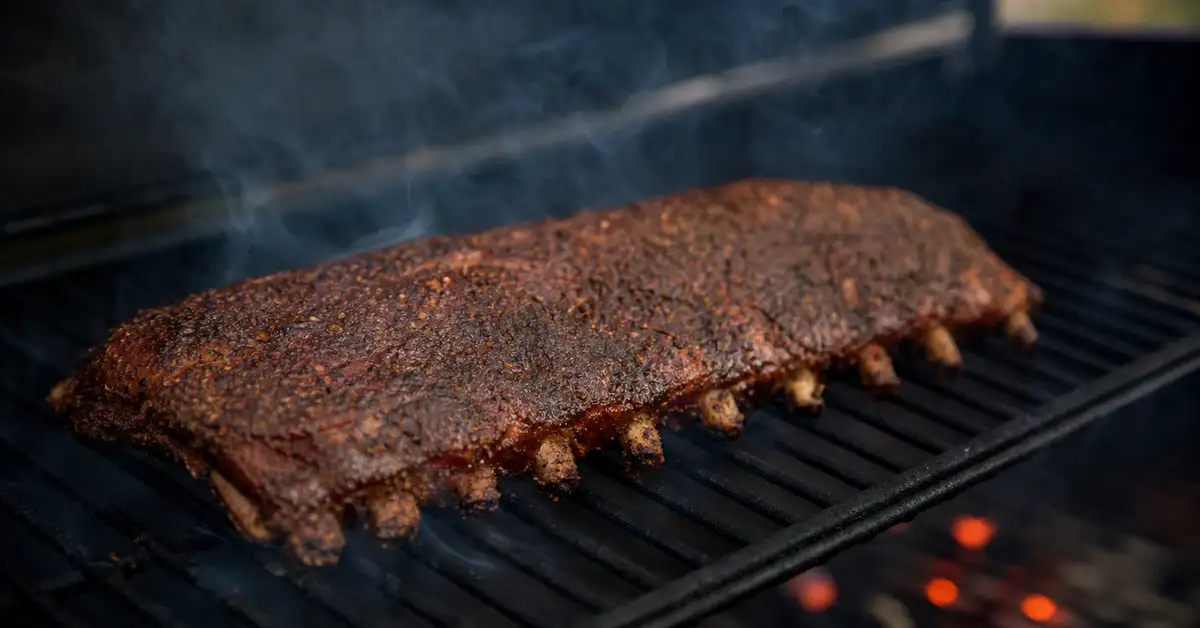
Sugar and burn risk. Sugar builds color and bark, but it caramelizes fast and then scorches at high direct-grilling temperatures (roughly 450°F and up) — that’s usually why a rub “burns,” not because it’s a bad product. Sugar-forward rubs are at their best in a smoker running 225–300°F, where they have time to caramelize slowly. For hot, direct grilling, a lower-sugar, salt-forward rub is more forgiving, or apply a sweet rub later in the cook rather than at the very start.
Salt level. A heavier-salted rub means you can use less of it; a lower-salt rub (like Lillie’s Q Carolina Dirt) is more forgiving if you tend to apply rub generously.
MSG and gluten. Some rubs are explicitly labeled no-MSG and gluten-free (Meat Church Holy Cow, Slap Yo Daddy Moola Beef v2.0); others use MSG deliberately as a flavor enhancer and say so on the label (Head Country). Neither is wrong — the FDA recognizes MSG as safe — but check the label if you have a personal preference either way.
Format and price. Grocery and warehouse-club seasonings (Weber, Head Country) run cheapest per ounce and are the easiest to find; craft and competition rubs (Meat Church, Kosmos Q, Killer Hogs, Heath Riles, Slap Yo Daddy) cost more but often disclose more about their competition pedigree and ingredients.
Which rub for which protein
| Protein | Look for | Try |
|---|---|---|
| Brisket & beef roasts | Savory, pepper-forward, low sugar | Holy Cow, Butt Rub |
| Steak & burgers | Bold, red, works at high heat | Cow Cover, Steak ‘n Chop |
| Pork butt & ribs | Sweet-savory, builds bark low and slow | Yardbird, Killer Hogs, Carolina Dirt, Sweet Rub |
| Chicken & turkey | Sweet-spicy, crisps the skin | Dirty Bird, Outlaw Sweet Caribbean |
| Everyday / all-purpose | Balanced, works on almost anything | Butt Rub, Championship Seasoning |
Fueling the cook itself? See our guides to the best wood pellets and best wood chips & chunks for how wood choice pairs with these flavor profiles.
The 13 best BBQ rubs & seasonings for 2026
Ranked for a typical US backyard cook, but every entry says what it’s built for — jump to the protein and flavor profile that fit how you cook.
Transparency first: This guide contains affiliate links. If we’re enrolled in an affiliate program, we may earn a commission at no extra cost to you — it never affects how we research or rank. Read our full affiliate disclosure policy.
1. Bad Byron’s Butt Rub Barbeque Seasoning
What it is: a long-standing all-purpose barbecue seasoning built on salt, black pepper, paprika, onion, garlic and chipotle — a savory, pepper-forward blend that’s been a competition-trailer and backyard staple for decades.
Best for: the cook who wants one shaker that genuinely works on ribs, pork butt, brisket, chicken, seafood and vegetables.
Why we rate it: a clean, salt-and-pepper-forward flavor with real chipotle depth, sold in a large 26 oz container that makes it one of the most cost-effective craft rubs per ounce, and broad enough to be a genuine one-rub answer for a backyard cook.
Watch-outs: no listed sugar means less bark-building caramelization than sweet competition rubs — add a touch of brown sugar yourself if you want a sweeter crust.
All-purpose · salt/pepper/paprika/chipotle · 26 oz · under $50
2. Meat Church Holy Cow BBQ Rub
What it is: a Texas-style beef rub built on salt, dehydrated garlic and spice extractives, styled after the pepper-forward brisket seasoning associated with Central Texas institutions like Franklin Barbecue and Kreuz Market.
Best for: brisket, tri-tip and steaks where you want the beef and smoke to lead, not a sweet crust.
Why we rate it: gluten-free and no-MSG by manufacturer label, low enough in sugar to handle a long smoke or a hot sear without scorching, and sold in 12 oz, 1 lb and 5 lb formats so you can buy exactly the amount you need.
Watch-outs: it’s built for beef — a dedicated pork or poultry rub will do more for those proteins.
Beef/brisket · gluten-free, no MSG · 12oz/1lb/5lb · under $50
3. Kosmos Q Cow Cover Seasoning Rub
What it is: a beef-forward rub Kosmos Q markets as the ultimate steak or burger seasoning, built on chili pepper, garlic, onion, sugar and paprika for a red, rich color.
Best for: steaks, burgers and London broil, plus low-and-slow beef like chuck roast or short ribs.
Why we rate it: the sugar-and-paprika combination builds real color and light caramelization, and it’s flexible enough for a reverse-sear finish or a full low-and-slow bark.
Watch-outs: the sugar content means a hard sear needs attention — reverse-searing (cook low, then sear briefly) gets the best result without burning.
Beef/steak · sugar & paprika forward · under $50
4. Slap Yo Daddy Moola Beef v2.0 Rub
What it is: the beef rub from Harry Soo’s award-winning Slap Yo Daddy competition team, built with an umami boost from powdered shiitake mushroom and Worcestershire powder alongside sea salt, cane sugar, chili and paprika.
Best for: brisket, steaks, burgers, tri-tip and sausage — anywhere you want a savory, competition-tuned beef crust.
Why we rate it: gluten-free and MSG-free by label, with a genuinely different umami angle than the usual salt-pepper-garlic beef rub, backed by real KCBS-circuit competition pedigree.
Watch-outs: sold in a 12 oz bottle at a craft price point — not the cheapest way to season a large batch of burgers.
Beef · umami/shiitake, gluten-free, no MSG · 12 oz · under $50
5. Killer Hogs The BBQ Rub
What it is: the flagship all-purpose rub from the Killer Hogs competition team (of HowToBBQRight), built to deliver the “mahogany” color prized in competition barbecue.
Best for: pork ribs and pork shoulder, plus chicken and beef when you want one crowd-pleasing rub.
Why we rate it: genuine competition pedigree, a balanced sweet-savory profile that plays especially well on ribs and pulled pork, and wide distribution through both the brand’s own store and major BBQ retailers.
Watch-outs: the sweetness means direct high-heat grilling needs a watchful eye — it’s built for low-and-slow, not a hot sear.
Pork/ribs, all-purpose · sweet-savory · 11 oz · under $50
6. Plowboys BBQ Yardbird Rub
What it is: a championship chicken rub — the bag literally reads “Created for chicken, but made for pork” — built on salt, sugar, chili pepper, paprika, garlic, onion and mustard flour.
Best for: chicken, pork butt and ribs where a savory rub with a touch of sweetness and a little back-of-the-tongue heat is exactly what you want.
Why we rate it: genuine competition credentials, a flavor that home cooks and retailers alike describe as working as well on pork as on the chicken it was built for, and it’s sold in sizes up to a 5 lb bag for frequent smokers.
Watch-outs: the sugar content rewards low-and-slow cooking more than a hot direct grill.
Pork/poultry · sweet-savory, mild heat · up to 5 lb bag · under $50
7. Heath Riles Hot BBQ Rub
What it is: a competition-pitmaster rub from Heath Riles BBQ built around sweetness, spice and color, marketed for ribs, pork, beef, chicken, turkey and fish.
Best for: cooks who want a genuinely multi-protein rub with more heat than a standard sweet competition blend.
Why we rate it: real competition-circuit credibility, a “Hot” profile that’s noticeably spicier than most mainstream rubs without tipping into painful territory, and broad enough labeling to reasonably use across an entire cookout.
Watch-outs: like other sugar-forward rubs, watch direct-heat exposure time to avoid a bitter, over-caramelized crust.
Multi-protein · sweet + spice + color · under $50
8. Lillie’s Q Carolina Dirt BBQ Rub
What it is: a brown-sugar-and-paprika rub from the Charleston-based Lillie’s Q brand, named for the Carolinas’ distinctive clay-colored soil.
Best for: pulled pork and pork ribs cooked low and slow, plus chicken and vegetables.
Why we rate it: a genuinely lower-salt formulation that’s forgiving with a heavier hand, and the brown sugar and paprika combination builds a classic Carolina-style bark on a long pork cook.
Watch-outs: the brown sugar content means it’s built for smoking and roasting, not a hot direct grill.
Pork · brown sugar & paprika, low salt · 6 oz · under $50
9. Hey Grill Hey Sweet Rub
What it is: a brown-sugar-based rub from the Hey Grill Hey brand, built with brown sugar, sea salt, smoked paprika, garlic and onion, and mustard seed for a classic smoky-sweet BBQ flavor.
Best for: ribs, pork shoulder and chicken — the brand’s own recipes lean on it for pork butt and rib cooks.
Why we rate it: a clearly published, specific ingredient list (unusual transparency for a rub this size), a genuinely balanced sweet-smoky profile, and real content-creator credibility behind the formulation.
Watch-outs: the brown sugar base means the same high-heat caution as other sweet rubs — best on a smoker or indirect grill.
Pork/poultry · brown sugar + smoked paprika · under $50
10. Kosmos Q Dirty Bird Rub
What it is: Kosmos Q’s original poultry rub, built for a “perfect balance of kick and sweetness” on grilled or smoked chicken.
Best for: whole chickens, thighs, wings and drumsticks, plus turkey and other lighter meats.
Why we rate it: a genuinely poultry-tuned sweet-spicy profile designed to color and crisp chicken skin, from a brand with real competition-rub credentials.
Watch-outs: best held to moderate grill or smoker temperatures (roughly 325–375°F) so the sugar caramelizes rather than scorches on the skin.
Poultry · sweet-spicy · under $50
11. Dan-O’s Outlaw Sweet Caribbean
What it is: an island-inspired blend from Dan-O’s 2025 “Outlaw” line, described by the brand as a balance of sweet, tangy and spicy flavor.
Best for: chicken, pork chops and shrimp — a change of pace from straight American barbecue seasoning.
Why we rate it: a distinct Caribbean-leaning profile that’s genuinely different from the salt-pepper-paprika baseline most rubs share, from an established modern seasoning brand sold on Amazon and direct.
Watch-outs: as a newer line addition, formulation details are less exhaustively documented than the legacy competition rubs in this guide — check the current label for full ingredients.
Poultry/pork/seafood · Caribbean-spiced · under $50 (confirm current specs with the manufacturer)
12. Head Country Championship Seasoning Original
What it is: an Oklahoma-made all-purpose seasoning built on salt, dehydrated garlic, onion and red bell pepper, sugar, paprika and natural smoke flavor.
Best for: everyday seasoning across pork, chicken, beef and vegetables from a single grocery-store-accessible bottle.
Why we rate it: gluten-free by label, broad grocery and warehouse-club distribution, and a moderate sugar-and-salt balance that works for both smoking and grilling without heavy babysitting.
Watch-outs: it uses MSG as a flavor enhancer (clearly labeled) — if you’d rather avoid MSG, pick a no-MSG rub instead, like Holy Cow or Moola Beef.
All-purpose · contains MSG, gluten-free · 6 oz · under $50
13. Weber Steak ‘n Chop Seasoning
What it is: a mainstream grocery seasoning built on sea salt, garlic, pepper and other spices for steaks and pork chops.
Best for: everyday grilling of steaks and chops on a budget, or as a simple base layer before a sauce or compound butter.
Why we rate it: no MSG by label, low enough in sugar to handle a hard sear without scorching, and sold through major retailers at a genuinely accessible price.
Watch-outs: a simple salt-garlic-pepper profile is a blank canvas rather than a distinctive flavor — don’t expect the complexity of a craft competition rub.
Beef/pork · low-sugar, no MSG · 8.5 oz · under $50
Rubbing down a first brisket or pork butt? See how long to smoke a brisket and how to smoke a pork butt. Want to add flavor and moisture from the inside too? See our best meat injectors guide. Whatever you cook on, browse the rest of our accessories & consumables guides, and pick the right wood to go with your rub in our best wood pellets and best wood chips & chunks guides.
BBQ rubs & seasonings compared
| Rub | Best for | Profile | MSG / gluten | Price |
|---|---|---|---|---|
| Bad Byron’s Butt Rub | Overall | Savory, peppery | Not listed | under $50 |
| Meat Church Holy Cow | Brisket | Savory Texas-style | No MSG, gluten-free | under $50 |
| Kosmos Q Cow Cover | Steak & burgers | Bold, sweet-savory | Not listed | under $50 |
| Slap Yo Daddy Moola Beef v2.0 | Competition beef | Umami-savory | No MSG, gluten-free | under $50 |
| Killer Hogs The BBQ Rub | Ribs | Sweet-savory | Not listed | under $50 |
| Plowboys Yardbird | Pork & chicken | Sweet, mild heat | Not listed | under $50 |
| Heath Riles Hot BBQ Rub | Multi-protein heat | Sweet + spicy | Not listed | under $50 |
| Lillie’s Q Carolina Dirt | Pulled pork | Sweet, low salt | Not listed | under $50 |
| Hey Grill Hey Sweet Rub | Sweet rub | Brown sugar, smoky | Not listed | under $50 |
| Kosmos Q Dirty Bird | Chicken | Sweet-spicy | Not listed | under $50 |
| Dan-O’s Outlaw Sweet Caribbean | Flavor twist | Sweet-tangy-spicy | Confirm on label | under $50 |
| Head Country Championship | Grocery all-purpose | Savory, smoky | Contains MSG, gluten-free | under $50 |
| Weber Steak ‘n Chop | Budget | Salt, garlic, pepper | No MSG | under $50 |
Specs are drawn from manufacturer and specialty-retailer materials; confirm current ingredients and allergen information with the manufacturer before buying.
Frequently asked questions
What’s the difference between a BBQ rub and a seasoning?
A rub is typically a coarser, heavier blend applied generously to build a flavorful crust on meat cooked low and slow. A seasoning is often lighter and more all-purpose, meant for grilling, pan-searing or oven roasting. In practice the labels overlap a lot — what matters more is the sugar content and how you plan to cook.
Why does my BBQ rub burn on the grill?
It’s almost always the sugar. Sugar caramelizes fast and then scorches at high direct-grilling temperatures (roughly 450°F and up), turning bitter and black rather than building a mahogany bark. It’s rarely a “bad rub” — it’s usually a mismatch between a sugar-forward rub and high, direct heat. Lower the temperature, cook indirect, or apply a sweet rub later in the cook to avoid it.
Should I use a rub with or without MSG?
Either is fine — the FDA recognizes MSG as safe, and it’s a legitimate way to add savory depth. Some rubs in this guide are explicitly no-MSG (Meat Church Holy Cow, Slap Yo Daddy Moola Beef v2.0, Weber Steak ‘n Chop); others use it deliberately and disclose it (Head Country). Check the label if you have a personal preference.
Are BBQ rubs gluten-free?
Some are explicitly labeled gluten-free (Meat Church Holy Cow, Slap Yo Daddy Moola Beef v2.0, Head Country Championship Seasoning), but it varies by brand and even by product line. Always check the current package label rather than assuming, since formulations can change.
How much rub should I use, and when should I apply it?
Coat the meat generously and evenly — enough that you can’t see the meat through the rub, but not so thick it clumps. For a long smoke, apply the rub before the meat goes on (some cooks season the night before and refrigerate uncovered). For a hot direct grill with a sugary rub, apply just before cooking or partway through to limit time in the burn-risk zone.
Can I use a pork rub on chicken, or a beef rub on pork?
Yes — most of the rubs in this guide are used across multiple proteins in practice, whatever the packaging emphasizes. Plowboys Yardbird was built for chicken but is widely used on pork; Killer Hogs and Heath Riles are explicitly marketed across beef, pork, chicken and more. The main thing to match is sugar content to cooking method, not protein to rub.
What wood pairs best with a sweet rub versus a savory rub?
Savory, pepper-forward rubs like Holy Cow or Butt Rub pair well with oak or post oak, where a mild smoke lets the salt and pepper lead. Sweet, poultry- and pork-oriented rubs like Dirty Bird or Carolina Dirt do well with milder fruit woods (apple, cherry) so the sugar and smoke don’t compete. See our wood chips & chunks and wood pellets guides for the full pairing table.
Have any BBQ rubs or seasonings been recalled?
We screened every product in this guide and found no active FDA or USDA recalls tied to any of them. A 2025 recall by a seasoning co-packer (QST Ingredients and Packaging) affected several private-label products, including a roast beef rub and a BBQ riblet seasoning, due to metal fragment contamination — none of the brands in this guide were named in that recall. It’s still good practice to check lot codes and manufacturer recall pages periodically, the same as you would for any packaged food.
How we choose
We don’t run a testing lab, and we never fake “as tested.” For this guide we combined manufacturer and specialty-retailer ingredient data with reputable BBQ editorial to map flavor profiles, sugar and salt levels, and MSG/gluten disclosures, checked every product for existence and current availability via the manufacturer or a major retailer, and screened every brand against recent FDA/USDA recall activity (no active recalls found; a 2025 co-packer recall of unrelated private-label products is noted above for context). We use qualitative price bands rather than prices that go stale. Read more on the How We Choose page.
Sources
Manufacturer and retailer product pages: Meat Church (Holy Cow BBQ Rub), Killer Hogs / H2Q Shop (The BBQ Rub), Kosmos Q (Dirty Bird Rub, Cow Cover Seasoning Rub), Heath Riles BBQ (Hot BBQ Rub), Bad Byron’s via The BBQ Superstore (Butt Rub Barbeque Seasoning), Plowboys via Big Poppa Smokers and BBQ Pro Shop (Yardbird Rub), Head Country and Big Poppa Smokers (Championship Seasoning Original), Weber via Sam’s Club (Steak ‘n Chop Seasoning), Lillie’s Q (Carolina Dirt BBQ Rub), Hey Grill Hey Store (Sweet Rub), Slap Yo Daddy BBQ Store and Scheels (Moola Beef v2.0 Rub), Dan-O’s Seasoning (Outlaw line launch, via Business Wire, May 2025). Technique and science coverage: DDR BBQ Supply (rub burning and sugar behavior), Smoked BBQ Source (BBQ rub roundup, smoking wood guide). Safety: Food Industry Counsel recall summary (QST Ingredients and Packaging, August 2025) and FDA/USDA recall guidance. Details were current at the time of research (2026); confirm current ingredients, allergen statements and availability with the manufacturer before buying.