Short answer: preheat until the stone hits 800–900°F+ for a classic Neapolitan-style pie (60–90 seconds a bake, turning every 20–30 seconds), or a more forgiving 500–700°F for New York-style and pan pizza (3–8 minutes). Season a brand-new oven with one empty “curing” burn before your first real cook, always run gas and wood-fired ovens outdoors with clear space around them, and never leave a lit oven unattended.
Outdoor pizza ovens reward a bit of technique — the same oven can turn out a soggy, pale pizza or a properly charred, leopard-spotted one depending on how you preheat, load and turn it. Here’s the honest walkthrough: how to fire it up safely, how to judge when it’s actually ready (not just when the dial says so), and the small habits that make the difference.
How to use an outdoor pizza oven, at a glance
Planning figures for a fully preheated oven. Always judge by stone temperature and how the crust behaves, not the clock alone — several ovens need longer than their advertised preheat time to fully charge the stone.
| Pizza style | Target stone temp | Approx. bake time |
|---|---|---|
| Neapolitan | 800–900°F+ | 60–90 seconds |
| New York-style / pan | 500–700°F | 3–8 minutes |
| Budget / accessory ovens (lower ceiling) | up to ~700–750°F | 6–10 minutes |
How to use an outdoor pizza oven, step by step
1. Season a brand-new oven before its first real cook
Before you cook a single pizza, give a new oven one empty “curing” burn. Gas and pellet ovens: run at maximum temperature for about 30 minutes with nothing inside, let it cool completely, then wipe the stone with a dry paper towel. Thicker wood-fired stone or refractory ovens do better with a gentler first firing — a low-to-medium flame or small fire for 30–40 minutes instead of full heat — so the stone tempers gradually rather than facing thermal shock. Do this the day before your first cook if you can.
2. Set up on a stable, ventilated, outdoor spot
Place the oven on a sturdy, level, non-combustible surface, outdoors only — never in a garage, under a low overhang, or in any enclosed space. Leave the clearance your manual specifies from siding, railings and anything flammable (commonly 24–48 inches for gas ovens, more for a wood-fired flue), and watch the wind, which can disturb the flame or carry embers.
3. Light the oven
Gas: leak-check the connections with a soapy-water solution before every tank change and periodically otherwise — look for bubbles, never test with an open flame — then ignite per your model’s instructions. Wood or pellet: build a small kindling fire in the center of the stone and feed it gradually rather than piling on fuel at once; let it establish before pushing coals to one side.
4. Preheat to your target stone temperature (~15–40 minutes)
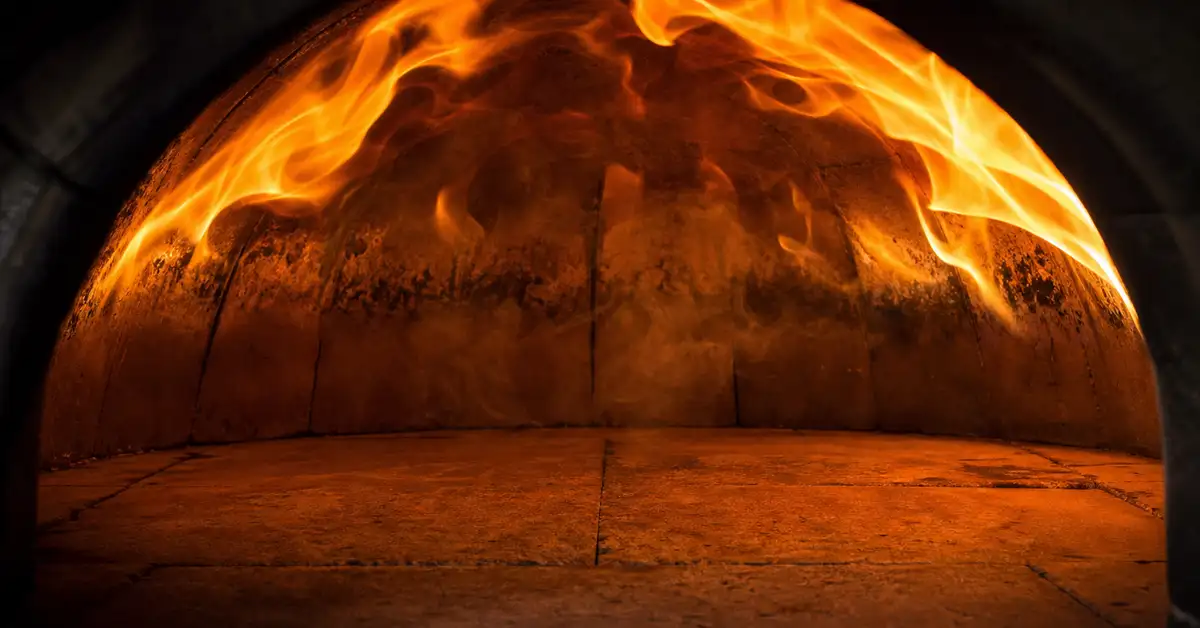
Most ovens need 15–40 minutes to fully charge the stone depending on fuel and stone thickness — often longer than the advertised number. Watch the flame roll across the dome ceiling as a visual readiness cue rather than trusting an ambient gauge alone; an infrared thermometer aimed at the stone itself is the most reliable check.
5. Launch the pizza
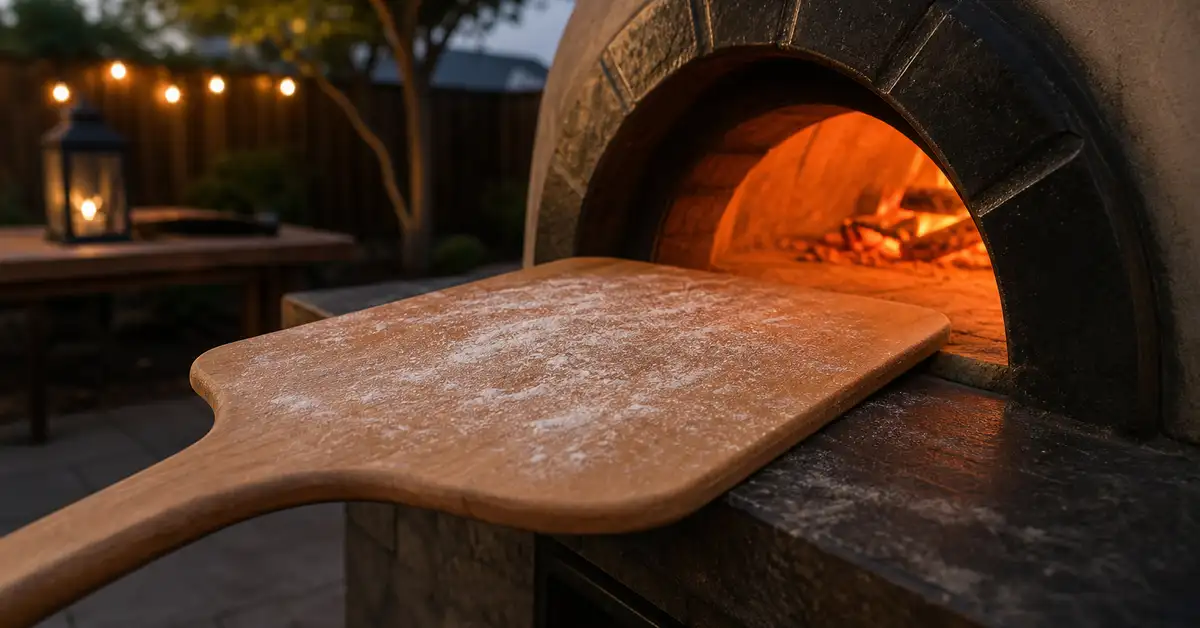
Dust your peel with flour or semolina so the dough slides freely, build the pizza directly on the peel, then use a short, confident forward motion to slide it onto the stone just inside the oven mouth — not pushed all the way to the back where the heat is fiercest.
6. Turn every 20–30 seconds
At Neapolitan temperatures the side facing the flame cooks fastest, so rotate the pizza a quarter to a half turn roughly every 20–30 seconds with a turning peel until the crust is evenly charred and leopard-spotted. At the lower, slower New York-style range you can turn less often.
7. Cool down and shut down safely
Turn off the gas at the valve (and at the tank), or let wood or pellet fuel burn down naturally — never smother a hot fire to speed things up. Never leave a lit or smoldering oven unattended, and let it cool completely before brushing out ash, covering it, or moving it.
Why the stone matters more than the dial
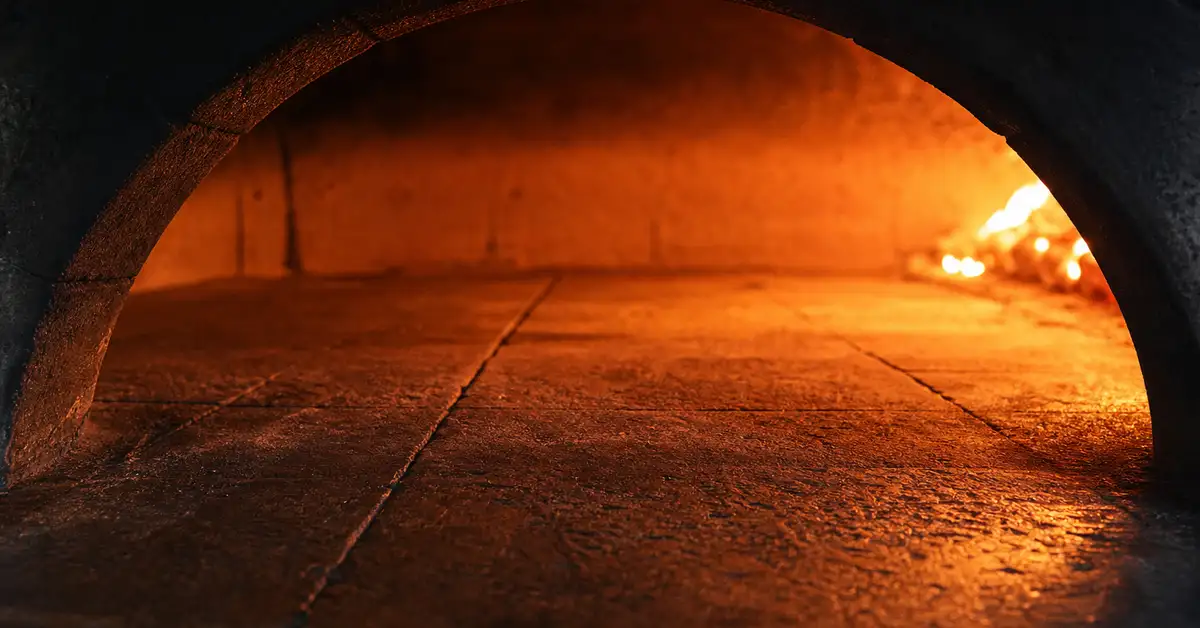
An ambient or dome gauge can read hundreds of degrees hotter than the actual stone surface, especially early in a preheat — which is why a pizza can stick, cook unevenly, or come out pale even when the display says it’s ready. A thicker stone holds heat better through several back-to-back bakes but takes longer to fully charge in the first place; if your first pizza sticks or browns unevenly, it’s usually a sign the stone needed more time, not that your technique is off. An infrared thermometer aimed directly at the stone tells you far more than a built-in gauge ever will.
Is it safe? Fire, gas and high-heat handling
Outdoor pizza ovens run far hotter than a kitchen oven, so a few habits matter every time you cook. Gas and propane ovens: use outdoors only, in a well-ventilated spot, never in a garage or enclosed space — propane combustion indoors is a carbon-monoxide risk. Leak-check gas connections with soapy water before each use and after every tank change; look for bubbles, and never check with an open flame. Wood and pellet ovens: keep the flue clear of overhanging branches or structures, maintain the clearance your manual specifies, and never operate on a combustible surface like wood decking, dry grass or bark. Every fuel type: keep kids and pets several feet back from the hot exterior and oven mouth, keep a hose or extinguisher within reach, and never leave a lit oven — gas, wood or pellet — unattended from ignition until it’s fully cooled. If you’re topping with raw sausage, chicken or another meat, check it’s reached a safe internal temperature with one of our best instant-read meat thermometers rather than judging by color alone.
The gear that makes it easier
Beyond the oven itself, two inexpensive tools remove most of the guesswork: an infrared thermometer to check actual stone temperature, and a turning peel for the quick rotations a good bake needs.
Transparency first: This guide contains affiliate links. If we’re enrolled in an affiliate program, we may earn a commission at no extra cost to you — it never affects how we research or rank. Read our full affiliate disclosure policy.
Check infrared thermometers on Amazon →
Still choosing your first oven? See our guide to the best outdoor pizza ovens, organized by fuel type and budget. Our How We Choose page explains the research behind every recommendation on this site.
Frequently asked questions
What temperature should I preheat my pizza oven to?
For Neapolitan-style pizza, aim for 800–900°F+ at the stone for a 60–90 second bake. For New York-style or pan pizza, 500–700°F over 3–8 minutes is easier to hit and more forgiving. Most ovens need 15–40 minutes to fully charge the stone — often longer than the advertised preheat time.
How do I light a wood-fired pizza oven?
Build a small kindling fire in the center of the stone using dry, seasoned wood, and let it establish gradually rather than loading on fuel all at once. Once it’s burning steadily, push the coals to one side to leave clear cooking space, and keep feeding small amounts of wood to maintain temperature.
How often should I turn the pizza while it cooks?
At Neapolitan temperatures, turn the pizza roughly every 20–30 seconds with a turning peel so the side facing the flame doesn’t burn before the rest catches up. At lower New York-style temperatures you can turn less often, since the bake is slower and more forgiving.
Do I need to “cure” or season a new pizza oven before first use?
Yes. For most gas and pellet ovens, run the empty oven at maximum temperature for about 30 minutes, then let it cool fully and wipe the stone down. For thicker wood-fired stone or refractory ovens, a gentler first firing — low-to-medium flame for 30–40 minutes — helps the stone temper gradually rather than facing thermal shock. Do it the day before your first real cook if you can.
Is it safe to use a gas or wood-fired pizza oven on a deck or covered patio?
Check your specific oven’s clearance guidance first — commonly 24–48 inches from combustible structures for gas ovens, more for a wood-fired flue. Use it outdoors only, never in a garage or enclosed space, keep it well away from siding, railings and anything flammable, and never operate it on a combustible surface like bare wood decking.
Why isn’t my oven reaching temperature?
The most common cause is impatience — a thick stone can take noticeably longer than the advertised preheat time to fully charge, even once the ambient or dome gauge looks ready. Check the actual stone temperature with an infrared thermometer rather than relying on a built-in gauge, and make sure gas flow or fuel and airflow (for wood and pellet ovens) is steady.
Can I use a raw meat topping like sausage or chicken on pizza?
Yes, but because a Neapolitan bake is only 60–90 seconds, thinly sliced or pre-cooked meat is safer and more reliable than raw chunks that may not reach a safe temperature in that time. If you do use raw meat, slice it thin and check doneness with an instant-read thermometer rather than judging by appearance.
Can I use a pizza oven in cold or wet weather?
Most ovens can run in cold weather, though preheat times run a little longer. Keep wood and pellet fuel dry in an airtight container regardless of season, and check your manual’s guidance on rain and wind exposure — a stiff wind can disturb the flame and extend your preheat as much as cold air does.
Sources
Preheat, seasoning and turning guidance verified against Ooni — Making Your First Pizza, Ooni — Getting Your Oven Up and Running, and Alfa Forni — Ideal Temperature for Neapolitan Pizza. Fire and gas safety guidance from the National Fire Protection Association — Grilling Safety, the University of Texas Fire Prevention Services, and Forno Bravo — Venting for Residential Wood-Fired Pizza Ovens, with food-safety guidance from FoodSafety.gov — Safe Minimum Internal Temperatures.